Designing Decks for Small Spaces: Practical Solutions for Urban Living
Constructing decks in urban environments presents unique challenges and opportunities. Limited space necessitates inventive design strategies that balance both usability and style. Property owners frequently look to transform small outdoor areas into inviting retreats. By emphasizing features including multi-purpose furniture and effective privacy solutions, these compact decks can become more than just an extension of indoor living. The challenge persists: how does one make the most of these limited areas while preserving comfort and elegance?
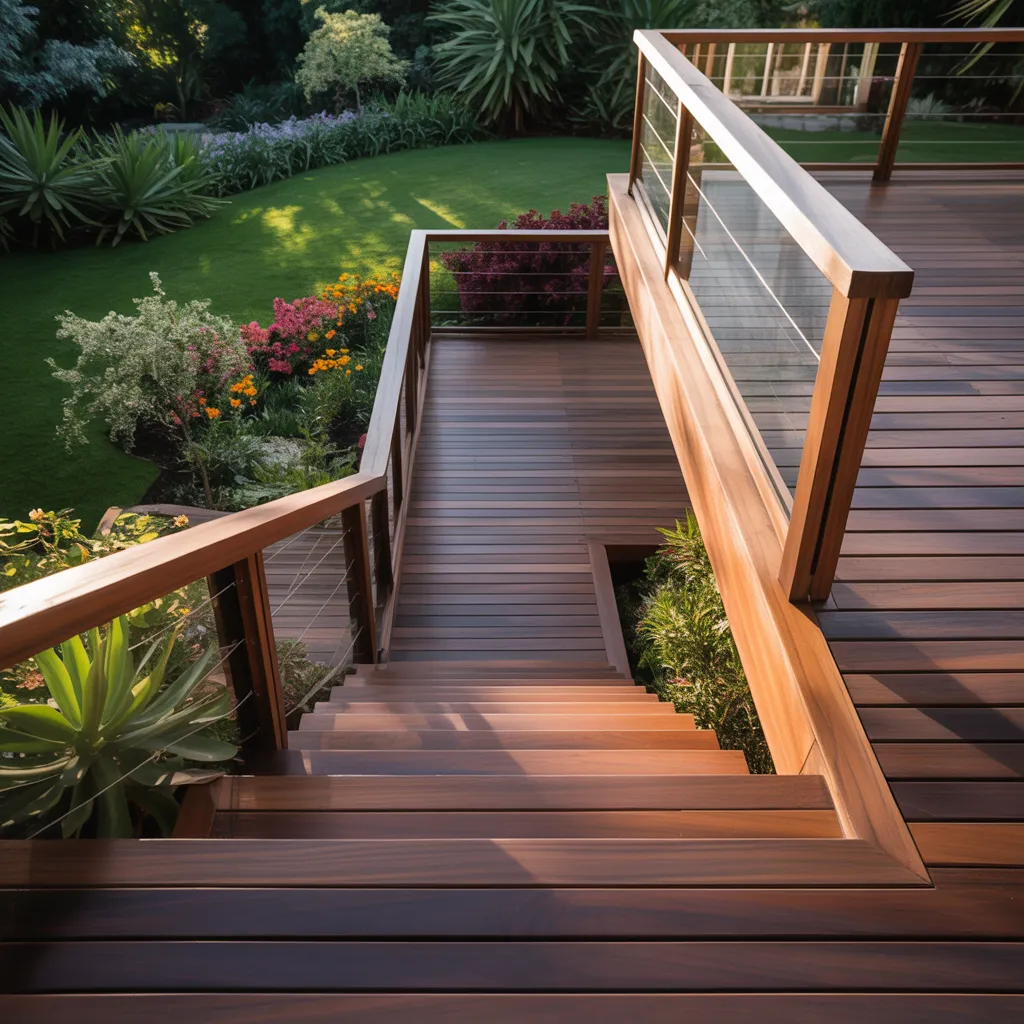
Enhancing Functionality in Compact Spaces
In compact areas, effective deck building requires creative design approaches that focus on usability. Designers often focus on dual-function components to optimize usability. As an example, adding permanent seating can reduce the need for cumbersome pieces, opening up more room to move. In addition, including storage compartments under benches or in accent tables provides a way to cleanly store exterior necessities, maintaining a clutter-free environment.
Vertical gardens are also capable of enhancing functionality by introducing greenery without occupying important floor space. Employing railings as planters or hanging containers can turn the deck into a flourishing oasis. Moreover, employing flexible layouts, such as modular furniture, enables quick reconfiguration for varied activities, ranging from relaxed get-togethers to peaceful retreats. In addition, optimizing vertical space using overhead pergolas or trellises can cultivate an appealing atmosphere while delivering shade. Combined, these methods confirm that even the tiniest decks continue to be both useful and delightful.
Choosing the Right Materials for Small Decks
Picking the right materials for small decks greatly impacts both appearance and performance. In city settings, where space is at a premium, the selection of materials can elevate the visual quality while providing durability. Composite deck materials is a widely preferred option due to its easy care properties and ability to withstand the elements, making it ideal for smaller spaces. Wood, particularly pressure-treated types or organically durable species like cedar, provides a timeless appearance and natural warmth but demands ongoing care.
Additionally, lightweight materials such as aluminum or vinyl can be beneficial, decreasing the burden on the structure and permitting flexible design choices. When considering aesthetics, color and texture play vital roles; softer hues can generate a feeling of openness, whereas textured finishes improve traction and safety. At the end of the day, the right combination of materials will not only beautify a small deck but also make certain that it remains functional and resilient in an urban setting.
Intelligent Design Ideas for Compact Decks
Although optimizing the use of small decks presents its difficulties, thoughtful design approaches can convert these limited areas into welcoming getaways. One effective approach involves creating distinct zones within the limited area. As an example, a small dining arrangement can be positioned near the railing, keeping the middle area free for circulation. Utilizing built-in benches or storage can also enhance seating options without overcrowding the space.
Another clever approach is to include multipurpose furnishings, such as stools that double as planters or tables featuring built-in storage. This not only saves space but adds character. Vertical garden features, like mounted planters, can introduce greenery without sacrificing floor area. Furthermore, adopting a rounded or asymmetrical arrangement can soften the overall appearance, making the deck appear larger and more open. By thoughtfully arranging elements, even the smallest deck can transform into a cozy retreat, ideal for relaxation and entertaining.
How to Create Privacy on Your Small Deck
Achieving privacy on a small deck is possible through a number of effective approaches. One commonly used method is the placement of vertical planters containing tall, leafy plants. These can create a natural barrier while enhancing the deck's aesthetic appeal. Another option is to install outdoor curtains or bamboo screens, which can be drawn closed to block sightlines from neighbors. Furthermore, trellises decorated with climbing vines provide both a sense of privacy and a pleasant green accent.
Thoughtfully positioned outdoor furniture, such as a large sectional couch or a tall bar table, can also help to create defined areas and establish a feeling of privacy. For individuals desiring a more permanent solution, placing a privacy wall or trellis can provide a solid barrier while permitting air circulation and natural light. In the end, combining these elements can convert a modest deck into a cozy hideaway, establishing a welcoming environment for leisure and gatherings.
Multi-Purpose Furniture for Compact Outdoor Spaces
When designing compact decks, versatile furniture becomes essential for enhancing utility. Space-saving seating solutions deliver comfort while conserving valuable square footage, and flexible storage solutions help keep the area organized. This method not only boosts functionality but also contributes to an appealing outdoor atmosphere.
Compact Seating Solutions
Limited deck spaces create particular obstacles, most notably in terms of seating solutions. To make the most of restricted areas, metropolitan homeowners can look into multipurpose furniture that fulfills two functions. For instance, benches with built-in storage can provide both seating and a place to stow outdoor essentials. Collapsible chairs and fold-down tables deliver versatility, allowing homeowners to create an open area when needed. Compact nesting stools can be put away with ease, accommodating extra guests without crowding the deck. Furthermore, permanent seating installed around the deck's border can maximize vertical space effectively. By implementing these area-efficient seating options, urban dwellers can turn their limited outdoor zones into useful and appealing havens, facilitating leisure and connection in metropolitan surroundings.
Diverse Storage Alternatives
Even though limited space presents obstacles, flexible storage solutions can improve the usability of compact decks. Multi-functional furniture, including benches with hidden storage compartments or ottomans that function as storage containers, delivers effective answers for urban homeowners. These pieces not only serve their primary purpose but also help keep outdoor areas organized and clutter-free. Furthermore, wall-hung shelves or upright planters can make the most of vertical space, allowing for decorative items or gardening supplies to be stored efficiently. Foldable tables can be put away during idle periods, reclaiming useful space. These creative solutions allow property owners to establish welcoming outdoor settings without giving up necessary storage, ensuring that limited deck spaces become more functional and delightful.
Imaginative Lighting Designs for Small Decks
How can one effectively illuminate a small deck while enhancing its charm? Innovative lighting ideas can convert a small outdoor area into a charming sanctuary. String lights are a popular choice, adding a warm, inviting glow without overwhelming the area. They may be strung along railings or suspended above to craft an enchanting overhead display.
Sun-powered lanterns offer green alternatives that need no electrical wiring, making them perfect for metropolitan spaces. Arranging them carefully around the deck can define spaces and highlight features.
Additionally, recessed lighting or wall-mounted sconces can conserve floor space while delivering task lighting for evening gatherings. LED battery-powered candles can add ambiance without any fire hazard.
Integrating these lighting options not only enhances safety but also showcases the deck's aesthetic, making it an inviting spot for relaxation or entertaining, even in a compact space.
Preservation Tips for Small Urban Decks
Caring for a small urban deck can be straightforward with a few key practices. Regular cleaning is crucial; a simple sweep followed by a wash with mild soap and water can keep grime from building up. You should aim to examine the deck regularly for indications of damage, such as unsecured boards or worn fasteners, addressing these issues promptly to avoid larger repairs.
Using a protective sealant annually will improve resistance against environmental conditions. Furthermore, organizing plants and furniture neatly arranged can prevent overcrowding, enabling better sunlight exposure and airflow, which inhibits mold from developing.
For those with wooden decks, sanding rough spots and re-staining as needed can extend the deck's life and preserve its appearance. Additionally, it is worth considering using furniture covers during inclement weather to protect assets. By implementing these maintenance steps, urban homeowners can enjoy their small decks while maintaining both structural integrity and aesthetic value.

Frequently Asked Questions
Which Plants Are Ideal for Small Deck Gardens?
For compact deck gardens, compact plants like herbs, succulents, and dwarf varieties of flowers or shrubs are ideal. Such options optimize available space while delivering visual charm and utility, creating a vibrant outdoor atmosphere.
How Do I Deal With Deck Drainage Issues?
To fix deck drainage issues, homeowners should maintain the correct slope, incorporate drainage channels, and think about permeable materials. Ongoing care, including clearing debris from gutters and downspouts, will also help prevent standing water on the deck.
Am I Able to Install a Small Deck on a Balcony?
Indeed, a modest deck can be installed on a balcony, provided it satisfies structural weight requirements and local construction standards. Thorough preparation and materials are necessary to secure safety and functionality in such restricted environments.
What Is the Typical Cost of Building a Small Deck?
The average cost of building a small deck falls between $15 and $35 per square foot, based on materials, design intricacy, and regional labor costs. Various elements may impact the overall budget and see the full story project scale.
How Do I Ensure Safety on a Small Deck?
To guarantee security on a small deck, homeowners should utilize robust materials, consistently examine for damage, copyright adequate railings, ensure sufficient weight distribution, and follow local building codes to prevent accidents and improve usability.