Tailored Railings and Stairs: Elevate the Style and Function of Your Deck
Custom railings and stairs play an essential role in elevating the beauty and usability of a deck. By selecting unique designs and materials, homeowners can create an inviting outdoor space that reflects their personal style. Structural integrity and long-lasting performance are also key priorities. Investigating a range of styles and materials can highlight solutions that find the perfect harmony. What elements should homeowners evaluate when beginning this design process?
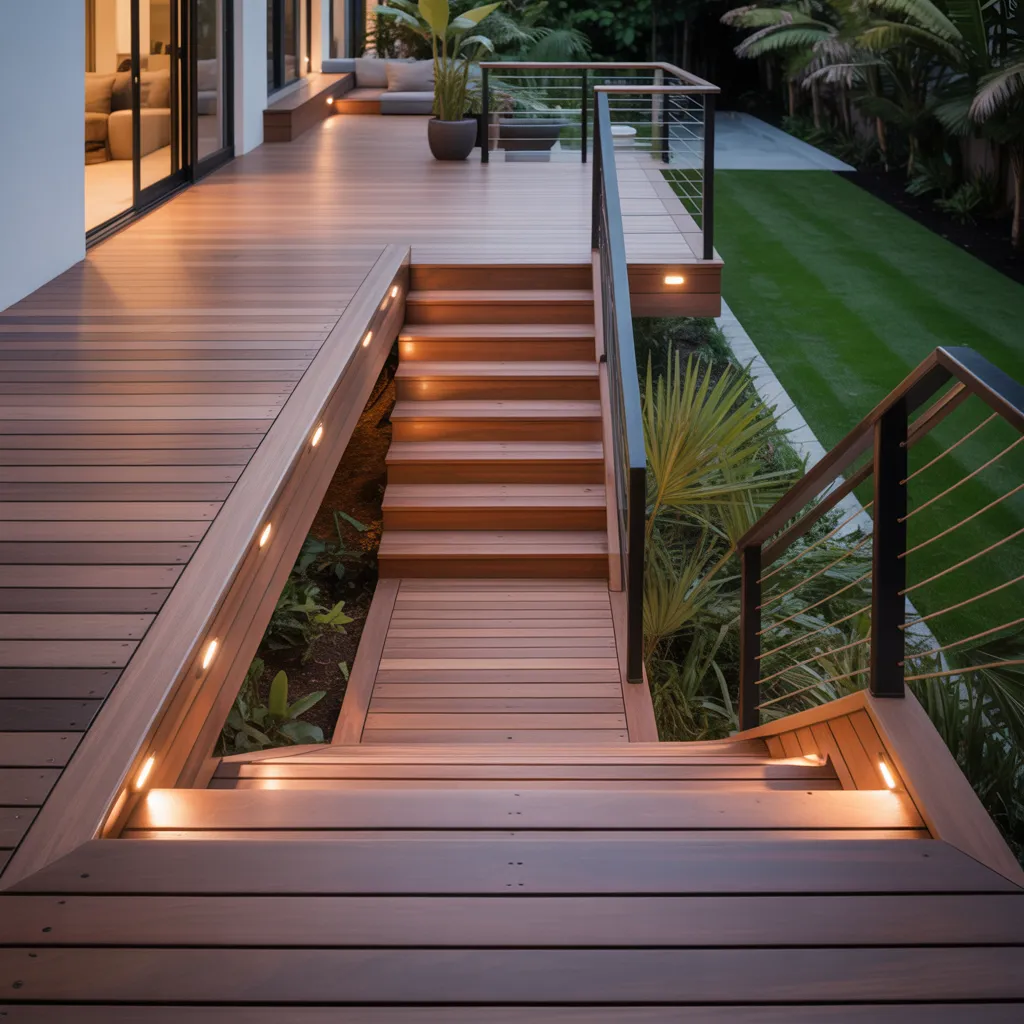
The Benefits of Custom Railings and Stairs
Custom railings and stairs elevate both aesthetics and functionality in any setting. They present an exceptional opportunity to elevate the visual impact, turning standard areas into remarkable focal points. By incorporating personalized designs, homeowners can effortlessly coordinate these features with their existing decor, showcasing personal tastes and design preferences.
Beyond aesthetics, custom railings and stairs provide substantial safety improvements. Personalized designs can secure adherence to local building regulations while decreasing the potential for accidents. The choice of sturdy materials additionally improves durability, reducing the need for frequent repairs or replacements.
Additionally, custom solutions allow for more efficient use of space, particularly in complex floor plans. By means of inventive solutions, homeowners can maximize functionality and ease of use. All things considered, investing in custom railings and stairs delivers both aesthetic charm and practical advantages, rendering them an essential enhancement for any home or business environment.
Sought-After Types of Personalized Railing and Stair Designs to Review
Design choices for railings and stairs can considerably influence the overall ambiance of a given area. Among the most sought-after designs is the classic wooden railing, which offers warmth and a timeless appeal. Sleek metal railings, often displaying streamlined designs and minimalist elements, deliver a modern feel while maintaining durability. For those desiring a countryside feel, forged iron railings can bring distinctive details and personality. Transparent glass railings are growing in popularity for their capacity to deliver an open and spacious atmosphere, enabling clear sightlines. Moreover, cable railings blend functionality with style, making them suitable for coastal or modern settings. Staircases can equally express individual preferences; selections extend from conventional straight stairs to dramatic spiral layouts, accommodating a wide range of design tastes. Each style not only enhances the visual appeal but also plays an essential role in safety and accessibility, making thoughtful choices essential for any deck project.
How to Select the Right Materials for Your Custom Railings and Stairs
Choosing the ideal materials for custom stairs and railings requires thorough evaluation of both aesthetic appeal and durability. The choice of materials can substantially affect the longevity of the construction while also affecting the overall design of the environment. Considering these factors secures a equilibrium between functionality and visual harmony.
Material Strength and Durability Factors
Durability stands as a critical factor when choosing materials for railings and stairs, affecting both safety and long-term performance. Property owners commonly weigh options including wood, metal, and composite materials. Wood, despite its attractive appearance, typically needs routine maintenance to address rot and insect issues. Metal options, like aluminum and stainless steel, deliver strength and resilience against severe weather, suiting them to diverse climatic conditions. Composite options merge durability and ease of maintenance, effectively resisting discoloration and structural warping with age. When selecting materials, one must also consider the environmental impact and availability. In the end, opting for durable materials not only improves the safety of railings and stairs but also ensures they endure over time, delivering lasting value and dependability.
Visual Design Choices
The aesthetic value plays a crucial role in selecting materials for personalized railings and stair designs, enhancing the home's overall aesthetic. Property owners frequently evaluate a range of materials, including wood, metal, and composite options, each offering distinct visual characteristics. For a traditional aesthetic, natural wood offers a warm and textured finish, while metals like wrought iron or aluminum can add a modern, sleek touch. Composites offer versatility in color and finish, enabling personalization that complements various architectural designs. Furthermore, property owners should take into account the surrounding environment and home exterior to achieve a balanced and harmonious look. Color schemes, textures, and finishes should align with the overall aesthetic, creating a cohesive look that enhances the outdoor space while serving functional purposes.
How Can You Ensure Safety Features in Your Design?
Ensuring protective features in customized railings and staircases involves following code compliance requirements, selecting appropriate materials, and integrating functional design features. Each component serves a critical function in building a safe setting for individuals. A complete grasp of these elements is essential for every successful project.
Regulatory Compliance Requirements
When planning personalized railings and staircases, adherence to code compliance requirements is vital for guaranteeing safety. Building regulations define critical measurements, like the height and placement of railings, guaranteeing they can reliably prevent accidents. Moreover, local requirements may determine the materials selected, influencing durability and safety under various weather conditions. It is important to seek guidance from local building authorities or a licensed professional to verify designs meet all applicable codes. Consistent assessments during the building process help improve safety by detecting possible concerns ahead of time. By emphasizing regulatory compliance, homeowners can design efficient and attractive railing and stair systems that offer reassurance and enduring safety for everyone.
Considerations for Material Selection
Choosing the suitable materials for custom railings and stairs plays a significant role in enhancing protective elements within the overall design. Long-lasting materials such as aluminum, stainless steel, and treated wood provide durability and resistance to environmental damage. Even though appearance is a priority, the material's structural integrity must be equally considered to avoid potential hazards. Non-slip surfaces are essential to provide reliable traction, particularly in wet conditions. Furthermore, materials should comply with local building codes and safety regulations, which commonly define required load thresholds. Accounting for the maintenance demands of each material is important, as easily damaged materials can compromise safety over time. In the end, a thoughtful strategy to material selection encourages both design elegance and structural safety in stair and railing designs.
Safety Design Features
Effective design safety features are essential in custom railings and stairs, as they significantly affect user protection and overall functionality. To achieve safety, designers should adhere to local building codes, which establish minimum height and structural requirements. Incorporating non-slip materials is essential, especially in areas prone to moisture. Additionally, railings should include a height that prevents falls while enabling a comfortable hold for users. Consideration of spacing between balusters is necessary to minimize falling risks, particularly for children. Visibility is another key aspect; contrasting colors can enhance awareness of edges and steps. Finally, regular maintenance checks are required to ensure that all components remain secure and functional, protecting users while extending the lifespan of the installation.
Essential Maintenance Tips for Longevity of Your Custom Railings and Stairs
Preserving custom railings and stairs is vital for maintaining their lifespan and attractive appearance. Consistent check-ups play a significant role in identifying any signs of wear, such as rust, loose fittings, or splintered wood. Proper cleaning is just as essential; utilizing a light soap solution alongside a gentle brush can aid in clearing debris and stopping buildup that might result in long-term damage. For wooden railings and stairways, adding a protective finish every couple of years can safeguard against moisture and UV damage, preserving both color and integrity.
Metal railings must be inspected for corrosion, most notably in waterfront regions where salt air can hasten damage. Repainting or refinishing metal surfaces can enhance durability and appearance. Moreover, making sure drainage systems operate effectively will stop water from pooling, which can result in serious structural problems. By following these care guidelines, homeowners can enjoy their custom railings and stairs for years to come.
Financial Planning for Your Custom Outdoor Upgrades
After guaranteeing the durability of custom railings and stairs through routine upkeep, homeowners frequently shift their focus to setting aside resources for outdoor renovations. Developing a precise budget is necessary to guard against budget overruns and to guarantee that the intended upgrades match budgetary constraints. Homeowners would benefit from evaluating the expenses associated with materials, labor, and any additional features, like ambient lighting or decorative enhancements.
It is recommended to compile an ordered list of planned enhancements, differentiating between necessary upgrades and desirable extras. This aids in reaching well-considered decisions when finances are constrained. Moreover, homeowners are encouraged to allocate an emergency fund for unanticipated expenditures that could surface during the undertaking.
Researching various suppliers and comparing prices can also yield cost-effective solutions. By tackling financial planning in an organized manner, homeowners can achieve their vision for custom outdoor spaces while preserving fiscal balance.
How to Choose the Right Contractor for Your Outdoor Project
How do homeowners make certain they pick the right contractor for their outdoor project? First, they should conduct thorough research, starting with online reviews and local recommendations. This allows homeowners to pinpoint contractors with a strong track record in custom railings and stairs. Next, homeowners should verify credentials, including licenses and insurance, to confirm the contractor meets industry standards.
Homeowners are also encouraged to seek thorough written estimates from various contractors, comparing costs and timelines. Having face-to-face discussions allows homeowners to gauge communication styles and professionalism. Furthermore, examining previous project portfolios can reveal important details about a contractor's technical proficiency and design talent.
Finally asking for client references can assist in determining similar resource quality and dependability. By adhering to this process, homeowners are able to carefully select a contractor that matches their expectations and guarantees a positive outdoor experience.
Common Questions and Answers
What Is the Timeline for Installing Custom Railings and Stairs?
Installation of custom railings and stairs typically takes one to three days, subject to how complex the design is, the materials used, and the expertise of the installation crew handling the project.
Can the Color of My Railings and Stairs Be Customized?
Absolutely, color customization options for railings and stairs are generally offered. Homeowners can choose from a variety of shades to match their aesthetic preferences, creating a harmonious aesthetic for their exterior spaces.
Are Custom Railings and Stairs Weather-Resistant?
Customized railings and staircases can be designed to be durable against the elements, utilizing materials like composite wood and aluminum. These options boost overall durability, ensuring they withstand various environmental conditions without compromising their visual appeal and practical functionality.
What Is the Typical Cost of Custom Railings and Stairs?
The typical cost of custom stairs and railings generally falls between $1,000 to $4,000, depending on materials, design complexity, and installation requirements. Homeowners need to account for both materials and labor when planning their projects.
Do Custom Railings Require a Permit for Installation?
Custom railing projects generally require permits for installation, based on local regulations and building codes. It's advisable for homeowners to speak with their local governing bodies to guarantee compliance and avoid potential fines or safety issues.